
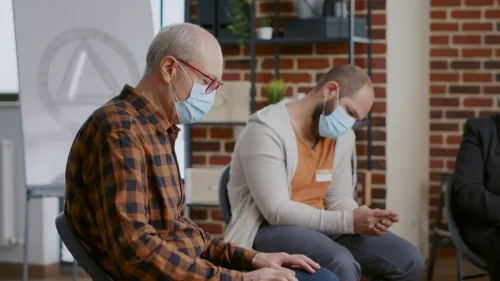
When you hear their perspective, when you see where they look for meaning, your mind will respond in kind. You’ll notice more things to feel grateful for, and you’ll open yourself up to new definitions of goodness and beauty. There are many sources of inspiration one can draw on when recovering from substance abuse, and gratitude is the key that unlocks them. Inspiration and motivation work together to support a focus on recovery. When you’re mired in the depths of addiction, other negative situations often come along with it. Substance abuse strains relationships, impacts personal finances, and can stymie your career, among other potential barriers to happiness.
Frequently Asked Questions About The Power of Gratitude in Sober Living
Try to think of similar questions that may put a positive spin on negative experiences. “Political violence is categorically intolerable in American democracy,” Democratic Rep. Jamie Raskin, lead impeachment manager during Trump’s impeachment proceedings, wrote on X. “We all hope former President Trump is safe and that no one else was injured. We are grateful for the law enforcement response and hope they get to the bottom of this horrifying attack and how it happened.” In a follow-up post Sunday, Olivia Trevino said her father will undergo surgery to remove a tumor in his brain, one of two found in a recent MRI.
Gratitude Helps Recovery

If you accomplished something at work, don’t be afraid to pat yourself on the back and let people know how happy it made you. When others share their successes, listen, and let their gratitude rub off on you too. Arriving at a point in life where you are making a sincere effort to recover takes time.
The Power of Gratitude: Expressing Appreciation and Cultivating Joy
A grateful person isn’t ashamed to thank a friend for checking in on them. Instead of being frustrated over cravings and withdrawal symptoms, gratitude leads to a thankfulness for being able to overcome without indulgence in drugs or alcohol. To go a step further gratitude in recovery to tie entitlement to addiction, entitlement can be caused by the convenience of being able to use a substance to get a certain effect. After a while, as the addiction takes hold, so does a sense of entitlement to the feeling of getting drunk or high.

- Every day, take just a moment or two to write down a few things that make you grateful.
- Gratitude encompasses everything in life, including people, states of being, feelings, opportunities, and emotions.
- You can also try practicing gratitude throughout the day by noticing and appreciating the small things in your life that make it better.
- Most people tend to be happier and more satisfied with life when they contribute to others and help them with their own lives.
- They found that people with a grateful disposition were less likely to relapse and had a better emotional outlook.
Allowing your ego to get out of control while in recovery only sets you up for failure. Practicing gratitude keeps the ego in check, your feet on the ground, and your head out of the clouds. The steadier you are in recovery, the more successful you are going to be. In recovery, we are given the space to be grateful, but it still takes time to practice and train the mind to notice and cherish the beauty in life. We should be patient with our feelings while our minds recalibrate to those details that most deserve our appreciation and respect. However, the recovery community has known the power of gratitude for a long time.
Stay in the Know
- While there are many other elements to focus on in recovery, gratitude is by far one of the most important, with results backed by scientific findings.
- Gratitude can help you find consistent happiness and contentment, making you feel more optimistic, enthusiastic and joyful while reducing feelings of depression and anxiety.
- Gratitude is an effective tool for building resilience in ourselves.
- It is a habit that you can develop through regular practice and reflection.
- Recent work on the concept of gratitude in philosophy and psychology.
- You can be grateful for minor occurrences as long as they make you happy.
- Gratitude encompasses many things, but it’s rooted in an appreciation for what you have.
- Research has found that gratitude can lower blood pressure, improve immune function, reduce inflammation, and promote better sleep.
- The important thing is to be consistent in incorporating gratitude into your recovery journey.